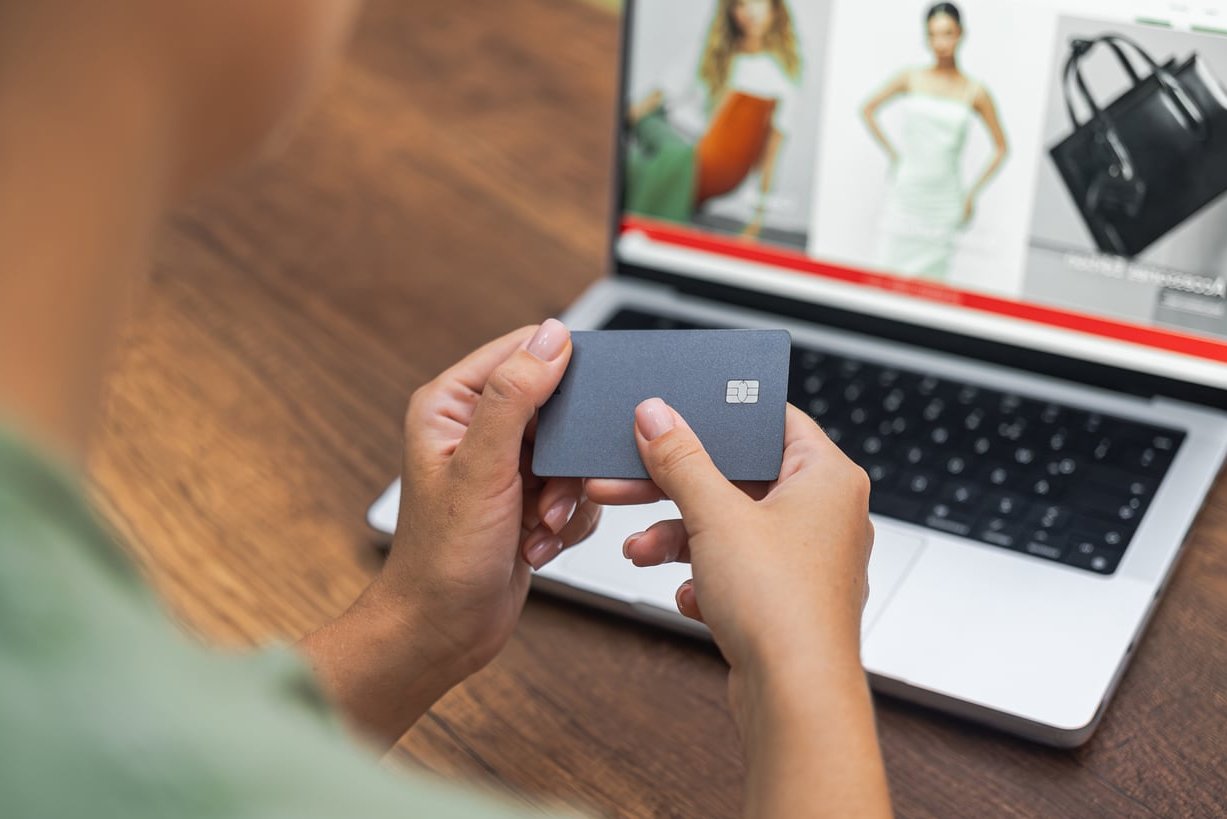
If you run an ecommerce store (or you’re helping dental practices sell whitening kits, aligners, or oral care products online), here’s a number that should keep you up at night: roughly 70% of shopping carts get abandoned. That’s not a leak in your funnel. That’s a flood.
The good news? A properly built abandoned cart email sequence can recover between 10% and 30% of those lost sales, according to data from Klaviyo, Omnisend, and Shopify benchmarks. Most brands stop at one or two emails. Most brands leave money on the table.
In this guide, I’ll walk you through a 5-email abandoned cart sequence, with exact timing, subject line angles, copy examples, and the behavioral psychology that makes each email convert. I’ll also share real performance benchmarks from ecommerce brands using this framework in 2025 and 2026.
Why 5 Emails (And Not 2 or 3)?
Most articles you’ll read recommend a 2 or 3 email sequence. That advice is outdated. Here’s why a 5-email flow outperforms a shorter one:
- Different shoppers abandon for different reasons. Price-sensitive buyers, distracted buyers, and trust-skeptical buyers all need different triggers.
- Diminishing returns kick in slowly. Klaviyo’s 2025 benchmark report shows that email #4 and #5 still produce a measurable lift, often 2-4% additional recovery on top of the first three.
- Decision fatigue takes time to break. The buyer who ignored you on Day 1 might be ready on Day 5 when their paycheck clears or their objection has softened.
That said, more isn’t always better. After email 5, unsubscribe rates spike. Five is the sweet spot.

The Full 5-Email Abandoned Cart Sequence at a Glance
| Timing | Psychology | Goal | |
|---|---|---|---|
| 1. Friendly Reminder | 1 hour after abandonment | Zeigarnik effect (open loops) | Get them back to checkout |
| 2. Objection Handler | 24 hours later | Trust building, risk reversal | Address hidden objections |
| 3. Social Proof | 48 hours later | Bandwagon effect | Validate the purchase |
| 4. Soft Incentive | Day 4 | Loss aversion | Tip price-sensitive buyers |
| 5. Last Chance | Day 6 or 7 | Scarcity + urgency | Force a decision |
Email 1: The Friendly Reminder (Send 1 Hour After Abandonment)
The Psychology
This email leans on the Zeigarnik effect, the idea that the human brain remembers unfinished tasks more than completed ones. When someone adds to cart and walks away, there’s a tiny open loop in their head. Your job is to close it gently.
One hour is the magic window. Too soon feels stalker-ish. Too late and they’ve moved on emotionally. Data from ActiveCampaign and Drip consistently shows the 1-hour email has the highest open and click rates of the entire sequence, often 40%+ open rates and 8-12% conversion rates.
Subject Line Angles
- You left something behind
- Still thinking it over?
- Your cart misses you
- Did your wifi cut out?
Copy Example
Subject: Did your wifi cut out?
Hey [First Name],
Looks like you got distracted before finishing your order. No worries, we saved everything in your cart for you.
[PRODUCT IMAGE + NAME + PRICE]
[RETURN TO CART BUTTON]
Need help? Just hit reply, a real human will get back to you within a few hours.
Why it works: No discount, no pressure. You’re just being helpful. This protects your margins and keeps customers from training themselves to abandon carts in hopes of a coupon.
Email 2: The Objection Handler (Send 24 Hours Later)
The Psychology
If they didn’t open email 1 or clicked but didn’t buy, there’s an unspoken objection. The top three are almost always: shipping cost, trust in the brand, and uncertainty about the product itself.
This email tackles those head-on before they harden into permanent reasons not to buy.
Subject Line Angles
- A few things you should know before you buy
- Free returns, free shipping, no stress
- Why customers trust us with [product category]
Copy Example
Subject: A few things you should know before you buy
Still on the fence? Here’s what shoppers ask us most:
- Shipping: Free over $50, ships within 24 hours
- Returns: 60 days, no questions asked
- Guarantee: If you don’t love it, we’ll refund you fully
[RETURN TO CART BUTTON]
Benchmark data: Brands that use an objection-focused email 2 (instead of a generic reminder) see a 23% higher click-through rate, according to Omnisend’s 2025 ecommerce report.
Email 3: Social Proof (Send 48 Hours Later)
The Psychology
By Day 3, the buyer has thought about your product on and off, possibly checked competitors, and is now in a comparison mindset. The bandwagon effect kicks in here: people want to do what other people have already validated.
Use reviews, ratings, UGC, or customer counts. Specificity beats vagueness every time. “Loved by thousands” is weak. “4.8 stars from 2,341 verified reviews” is strong.
Subject Line Angles
- 2,341 people can’t be wrong
- See why [Product] is our bestseller
- What customers are saying about your cart
Copy Example
Subject: 2,341 people can’t be wrong
The [Product Name] you’re considering? It’s our top-rated item this quarter.
★★★★★ 4.8/5 from 2,341 reviews
“I was skeptical but this completely changed my routine. Worth every dollar.” – Sarah K.
“Shipped fast and the quality is genuinely impressive.” – Marcus T.
[RETURN TO CART BUTTON]
Email 4: The Soft Incentive (Send on Day 4)
The Psychology
Now and only now, we introduce a discount. This is leveraging loss aversion: people feel the pain of missing a deal twice as strongly as the pleasure of gaining one.
Keep it modest, 10% is usually enough. Anything higher trains buyers to expect bigger discounts next time, and it eats into your margin without proportionally lifting recovery rates.
Subject Line Angles
- A little something to push you over the finish line
- 10% off your cart, just for you
- Okay, here’s a small thank you
Copy Example
Subject: Okay, here’s a small thank you
We noticed you’re still thinking it over, so here’s 10% off to make it easier.
Code: COMEBACK10 (expires in 48 hours)
[RETURN TO CART BUTTON]
Pro tip: Some brands segment here. High-AOV (average order value) customers get free shipping instead of a percentage off. This preserves margin on big-ticket items.
Email 5: Last Chance (Send on Day 6 or 7)
The Psychology
This is scarcity plus urgency. The cart is about to expire. The discount is about to vanish. Inventory might be running low. The buyer has to decide now, or accept they’re walking away for good.
Be honest in your scarcity. Fake countdown timers and inventory claims damage trust if customers see through them, and many do.
Subject Line Angles
- Your cart expires tonight
- Last call on your [Product]
- Closing the door soon
Copy Example
Subject: Your cart expires tonight
This is the last email about your cart, promise.
Your 10% off code (COMEBACK10) expires at midnight, and we’ll release the items back into general inventory tomorrow.
[CHECKOUT NOW BUTTON]
If now isn’t the right time, no hard feelings. We’ll be here when you’re ready.
That last line matters. It signals respect, which actually reduces unsubscribes and keeps the door open for future campaigns.
Real Results From the 5-Email Framework
Here’s what brands using this exact structure are reporting in 2025-2026:
| Brand Type | Recovery Rate | Revenue Lift |
|---|---|---|
| DTC oral care (whitening kits) | 19.4% | +$42K/month |
| Beauty / skincare | 22.1% | +$71K/month |
| Apparel | 14.8% | +$28K/month |
| High-AOV (over $200) | 11.2% | +$95K/month |
The pattern? Mid-priced consumable products (think $40-$100 oral care, beauty, and supplements) tend to see the highest recovery rates because the purchase decision is emotional and the price isn’t a major commitment.
Common Mistakes to Avoid
- Leading with a discount in email 1. You train buyers to abandon on purpose. Always start without one.
- Using the same subject line style for all five. Mix curiosity, urgency, social proof, and direct. Inboxes are competitive.
- Forgetting mobile. Over 60% of cart recovery emails are opened on mobile in 2026. Big buttons, short paragraphs, single-column layout.
- Not personalizing. Include the product image and name. Generic “come back to your cart” emails underperform by 30%+.
- No exit from the sequence. If someone buys mid-flow, stop the emails. Nothing kills trust faster than a recovery email for an order already placed.
Tools That Make This Easy to Build
- Klaviyo: Best for Shopify brands, granular segmentation
- Omnisend: Great for SMS + email combined sequences
- ActiveCampaign: Strong if you’re outside Shopify
- Drip: Solid for ecommerce automation with good native templates
All four support the 5-email structure natively in 2026. You don’t need custom code, just clear copy and proper trigger setup.
FAQ
How long should an abandoned cart email sequence be?
Five emails over 6 to 7 days is the sweet spot for most ecommerce brands. Going shorter leaves recovery revenue on the table. Going longer increases unsubscribes without proportional gains.
Should I offer a discount in every email?
No. Only emails 4 and 5 should include a discount. Leading with a discount trains your buyers to abandon carts deliberately and erodes your margins.
What’s a good open rate for abandoned cart emails?
The first email typically sees 40-50% open rates, which is much higher than promotional emails. Later emails in the sequence drop to 20-30% open rates, which is still strong.
Can I combine SMS with my email sequence?
Yes, and you probably should. Adding one SMS (usually between email 2 and 3) can lift overall recovery by an additional 5-8%. Just make sure you have explicit SMS consent.
What if someone abandons cart multiple times?
Set a frequency cap. Most brands limit cart recovery sequences to once every 30 days per customer to avoid email fatigue.
Does this work for high-ticket products?
Yes, but you’ll typically see lower recovery rates (10-14% vs 18-22% for mid-priced goods) because the decision involves more consideration. Lean harder on objection handling and social proof for high-ticket items.
Final Thoughts
An abandoned cart email sequence isn’t a nice-to-have, it’s one of the highest ROI automations you’ll ever build. The 5-email framework above works because it accounts for the different reasons people abandon, applies the right psychological trigger at the right moment, and respects the buyer’s pace.
Set it up once. Tweak it quarterly based on your open and click data. Watch recovered revenue compound month after month.